NEMT Entrepreneur provides expert insights, strategies, and resources to help non-emergency medical transportation professionals grow their businesses. Get industry-leading advice to succeed in NEMT.
Featured articles
Effective communication is critical for Non-Emergency Medical Transportation (NEMT) services. When communication breaks down, it leads to missed appointments, delays, and compliance risks, frustrating patients and costing providers thousands of dollars annually. This article outlines common communication challenges in NEMT and practical solutions to address them.
Key takeaways:
- Common issues: Coordination failures, outdated tools, unclear updates, slow responses, and language barriers.
- Impact: Up to 35% of providers cite communication failures as a major challenge, with manual processes increasing missed appointments by 25-30%.
- Solutions: Centralized platforms, automated scheduling, clear notifications, staff training, and phased technology adoption.
Non-Emergency Medical Transportation Software Solution By NEMTPulse
Common Communication Problems in NEMT Operations
NEMT providers face a range of communication challenges that can disrupt their operations. These issues often snowball, affecting everyone involved - from dispatchers and drivers to patients and healthcare facilities. Let’s take a closer look at some of the most common problems.
Coordination Breakdowns
When dispatchers, drivers, patients, and healthcare facilities aren’t on the same page, chaos follows. Imagine dispatchers updating pickup times but failing to notify drivers, or healthcare facilities rescheduling appointments without informing transportation providers. These missteps throw the entire schedule into disarray. Drivers end up making unnecessary trips, subsequent appointments run late, and providers bear the financial burden of rescheduling and lost productivity. Real-world examples include manual errors that lead to double bookings or delays for multiple patients, as well as a lack of real-time updates that result in missed long-distance pickups, forcing patients to reschedule critical appointments.
Outdated Technology and Manual Processes
Many NEMT providers are stuck using outdated tools like Excel spreadsheets or even paper-based systems. These methods can’t keep up with the fast-paced demands of modern operations. Without real-time updates, drivers are left in the dark, and patients miss out on automatic notifications. During busy periods, manual data entry increases the risk of errors, while fragmented systems for scheduling, billing, and reporting make it nearly impossible to make data-driven decisions. These legacy processes create a communication bottleneck, especially during last-minute changes, slowing down responses when speed is crucial.
Lack of Clear Updates
Patients, especially those in vulnerable situations, rely on timely and clear ride updates. When communication is unclear or delayed, it adds unnecessary stress and dissatisfaction. Patients left wondering whether their ride is on time, delayed, or even confirmed often resort to calling providers repeatedly, creating a cycle of reactive problem-solving. Healthcare facilities also feel the impact; when delays or cancellations aren’t promptly communicated, they’re left scrambling to adjust schedules. This results in wasted appointment slots, strained relationships, and a hit to operational efficiency.
Slow Response Times
In healthcare transportation, the ability to adapt quickly is non-negotiable. Unfortunately, rigid systems often fail to handle last-minute changes, whether it’s a rescheduled appointment or a route adjustment due to bad weather. Manual communication processes simply can’t keep up. By the time updates are relayed, the opportunity to make effective adjustments has often passed. This sluggishness not only damages a provider’s reputation but also leads to missed appointments - sometimes with serious consequences for patients.
Language and Communication Barriers
NEMT services cater to diverse communities, which means language and communication barriers are a common challenge. Misunderstandings can easily arise when patients and staff come from varied backgrounds. Overcoming these barriers is essential to delivering accurate and inclusive service, ensuring that everyone receives the care and support they need.
Solutions to Fix NEMT Communication Problems
The challenges faced by Non-Emergency Medical Transportation (NEMT) providers in communication aren't without solutions. With the right mix of tools, training, and processes, these issues can be addressed effectively. Here’s how providers can improve communication and streamline their operations.
Using Centralized Communication Platforms
A centralized communication platform acts as the backbone of any NEMT operation, linking dispatchers, drivers, patients, and healthcare facilities into a single, integrated system. This setup allows for real-time updates to be shared seamlessly among all parties.
For example, if a healthcare facility reschedules an appointment, the change is instantly reflected across all connected devices. Dispatchers are notified, drivers receive updated instructions, and patients get new pickup times - all without the need for multiple phone calls. This kind of synchronization helps prevent delays from snowballing and disrupting the entire day’s schedule.
NEMT-specific dispatch systems are designed to serve as these centralized hubs. They combine scheduling, dispatch, GPS tracking, billing, and reporting into one streamlined system, improving efficiency, reducing costs, and increasing patient satisfaction.
Automating Scheduling and Dispatch
Automation takes the guesswork and human error out of scheduling and dispatch. Algorithms can optimize routes by factoring in traffic conditions and last-minute changes, ensuring that travel time is minimized and appointments aren’t missed.
Automated dispatch systems also ensure that accurate, consistent information is shared with everyone involved. For instance, the system can automatically assign the most suitable driver for a trip based on factors like location, vehicle type, and schedule, eliminating the need for manual coordination.
The financial advantages are clear. Automation helps cut operational costs by improving fuel efficiency, reducing errors, and maximizing the use of vehicles. Drivers can focus on their tasks without wasting time waiting for instructions.
Setting Up Clear Notification Systems
Automated notifications - like SMS alerts and app updates - are a game-changer for keeping everyone informed. These systems provide updates on ride status, pickup times, delays, and cancellations, significantly reducing missed appointments and late arrivals in NEMT services.
For patients, notifications can include booking confirmations, reminders sent the day before, and real-time updates on driver arrival times. For drivers, notifications about route changes or special patient needs ensure smoother operations.
The result? Patients feel more at ease knowing when their ride will arrive, and healthcare facilities can adjust schedules proactively. This transparency builds trust and improves the overall experience for everyone involved.
Training Staff for Better Communication
Even the best technology can fall short without properly trained staff. Employees need to be skilled in using digital tools, following standardized communication protocols, and working effectively with diverse populations.
Training programs should focus on three areas:
- Digital skills: Teach staff how to use new software and handle basic troubleshooting.
- Communication protocols: Standardize interactions to ensure consistency with patients and colleagues.
- Cultural competence: Equip staff to navigate language and cultural differences, which are common in NEMT services.
Ongoing training, including scenario-based exercises, helps staff stay sharp. For example, role-playing sessions can prepare employees to handle issues like technology glitches or communicating with non-English-speaking patients.
Gradual Technology Implementation
Introducing new technology doesn’t have to happen all at once. A phased approach allows for sustainable improvements over time. Starting with essential features like dispatch and notifications, providers can gradually expand to include GPS tracking, billing, and analytics.
This step-by-step method reduces resistance from staff and provides opportunities for feedback and adjustments. For instance, as employees become comfortable with basic tools, additional features can be introduced without overwhelming them.
Collaboration with technology vendors is key. Providers should choose solutions that integrate seamlessly with current workflows, minimizing disruptions. Vendors offering ongoing support and training can make the transition smoother and more effective.
sbb-itb-cef70f4
Manual vs. Digital Communication: A Comparison
Clear and efficient communication is the backbone of success in Non-Emergency Medical Transportation (NEMT). The debate between manual and digital communication methods highlights a fundamental shift in the industry. While some providers continue to rely on traditional methods like phone calls and paper records, the push toward digital solutions is reshaping operations, driven by the need for better efficiency, compliance, and patient satisfaction. Let’s break down the key differences.
Manual communication often leads to unexpected costs - both in time and resources. For instance, phone-based dispatch requires constant back-and-forth calls, which can result in miscommunication and delays. Paper records, on the other hand, are prone to errors, hard to track, and nearly impossible to access in real-time. Imagine a dispatcher managing multiple pickups while juggling phone calls and updating handwritten schedules. It’s a recipe for mistakes and inefficiency.
Digital communication, however, offers a game-changing alternative. Digital dispatch systems provide live updates and real-time status changes, ensuring greater transparency for everyone involved. This level of visibility eliminates the guesswork that often hampers manual operations.
By optimizing routes, digital systems help reduce travel times, cut fuel costs, and minimize vehicle idle time, all while maximizing fleet utilization. These systems also allow operators to manage more trips without increasing staff, directly reducing labor expenses. Additionally, automated processes streamline compliance documentation, further lowering operational costs.
Although adopting digital solutions requires an upfront investment in technology and staff training, the long-term benefits are undeniable. Savings from reduced fuel consumption, fewer missed appointments, fewer billing errors, and lower administrative overhead make digital systems a far more cost-effective choice. Plus, digital platforms are scalable - meaning they can handle increased trip volumes without requiring a proportional increase in staffing. The table below highlights these differences across key operational factors.
Comparison Table: Manual vs. Digital Communication
| Factor | Manual Communication | Digital Communication |
|---|---|---|
| Efficiency | Slow coordination via phone calls; time-consuming paperwork | Real-time updates; automated scheduling and dispatch |
| Accuracy | High risk of human error in scheduling and record-keeping | Automated data entry significantly reduces errors |
| Cost | Unexpected costs from inefficiency, wasted fuel, and higher labor needs | Lower operational costs through optimization and automation |
| Scalability | Difficult to scale; requires proportional staff increases | Easily scalable; manage more trips without adding staff |
| Patient Satisfaction | Lower due to uncertainty and communication gaps | Higher with clear, real-time communication and updates |
| Response Times | Longer wait times; slow issue resolution | Shorter response times with instant notifications |
| Compliance Tracking | Manual documentation is error-prone and time-consuming | Automated tracking with easy audit trails |
| Missed Appointments | More frequent due to communication mix-ups | Less frequent with automated alerts and reminders |
| Billing Accuracy | Higher risk of errors with manual processes | Lower risk thanks to automated billing integration |
The shift toward digital communication in NEMT is not just about adopting new tools - it’s about creating a seamless ecosystem where information flows effortlessly between all parties. While individual features like real-time updates or automated billing are impressive, the real power of digital systems lies in their ability to connect the dots, reducing administrative burdens and improving overall performance.
Long-Term Communication Improvement Strategies
Building effective communication systems isn't a one-and-done task - it calls for ongoing effort through smart partnerships, regular feedback, and strict adherence to regulations.
Working with Technology Vendors
Choosing the right technology partner can be a game-changer for improving communication. NEMT providers should look for vendors offering platforms that are easy to use, scalable, and equipped with features like real-time updates, automated notifications, and compliance tracking. It's essential that these vendors have experience in the healthcare transportation space and can tailor their solutions to meet specific operational needs.
For example, providers in Texas and California saw fewer missed appointments and better compliance after implementing customized, cloud-based dispatch systems. These platforms not only streamline operations but also offer benefits like remote access, automatic updates, and enhanced data security - all without the need for extensive on-site IT infrastructure.
A gradual rollout of new technology allows your team to adapt while addressing any integration hiccups early on. Partnering with a reliable vendor and conducting regular performance reviews can help refine your communication strategies over time.
Regular Feedback and Monitoring
You can't improve what you don't measure. Regular feedback from drivers, dispatchers, patients, and partners is crucial to understanding how well your communication systems are working. Surveys - whether through in-app forms, emails, or phone calls - can provide insights into clarity, response times, and overall satisfaction.
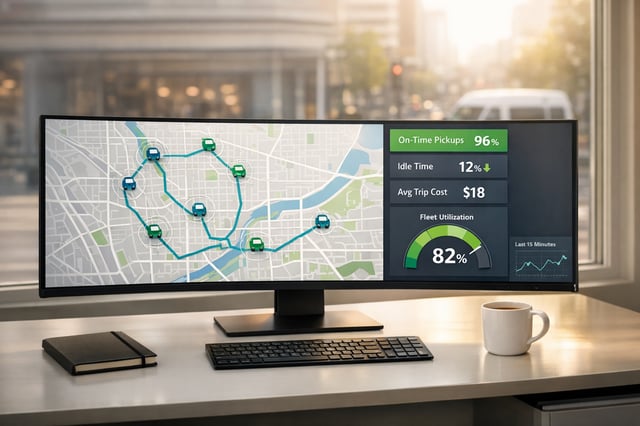
Tracking key performance metrics like missed appointment rates, average wait times, and complaint resolution speed is equally important. Many NEMT dispatch software solutions include dashboards that let managers monitor these indicators in real time, making it easier to spot and address issues before they escalate.
Frequent reviews of your communication processes keep them effective. For instance, after rolling out a new dispatch system, a 30-day review can uncover immediate challenges, while quarterly assessments can help track long-term progress. Regular team meetings and open channels for suggestions also encourage continuous improvement.
Training plays a big role here, too. Staff need both technical skills for using dispatch tools and soft skills like clear communication, cultural awareness, and conflict resolution. Well-trained teams are less likely to make errors and more likely to keep patients satisfied.
Meeting Regulatory Requirements
While performance metrics highlight operational gaps, compliance practices ensure your system stays secure and trustworthy. Healthcare transportation providers must meet HIPAA standards to protect patient privacy and secure data transmission. This includes encrypting sensitive information, restricting access to authorized personnel, and maintaining detailed audit logs.
Automated systems with features like timestamped logs and secure messaging can simplify compliance tracking, which is vital during audits. Providers also need to stay up-to-date on state-specific regulations and requirements from Medicaid and Medicare payers.
Regular audits, ongoing staff training, and close collaboration with technology vendors are key to maintaining compliance. Vendors should provide timely software updates to reflect changing regulations, and providers must confirm that all communication tools meet current standards.
Staying informed about regulatory updates is non-negotiable. Subscribing to industry newsletters or joining associations like NEMT Entrepreneur can provide valuable insights and resources. Proactively managing compliance not only avoids penalties but also builds trust with patients and positions your business for long-term success.
As analytics and unified data systems become the norm, they offer a way to make better decisions backed by evidence. By embedding these strategies into daily operations, NEMT providers can maintain the efficiency, dependability, and patient-focused improvements discussed throughout this article.
Conclusion: Better Communication for NEMT Success
Strong communication is at the heart of improving Non-Emergency Medical Transportation (NEMT) patient outcomes, streamlining operations, and fostering growth. This article has highlighted how communication barriers can disrupt operations and how targeted strategies - like adopting the right technology, training staff, and refining processes - can address these challenges effectively.
Features like real-time trip tracking and SMS notifications help cut down on no-shows and late arrivals. Centralized, automated systems not only reduce operational costs but also enhance compliance, creating a smoother workflow. These improvements pave the way for long-term strategic advantages.
Digital tools also bring immediate benefits by minimizing wait times, missed appointments, and billing errors while simplifying compliance efforts. Although implementing these changes takes time, providers who identify communication gaps, adopt scalable technologies, and train their teams on updated protocols can achieve sustainable progress. These steps align with earlier strategies to ensure continuous improvement in communication.
Clear and proactive communication does more than just streamline operations - it builds trust, alleviates patient concerns, and fosters better outcomes and stronger retention.
For providers seeking to enhance their communication systems, NEMT Entrepreneur offers valuable insights and resources. From dispatch solutions to compliance guidance, they provide actionable steps to help providers excel in communication and achieve lasting success.
FAQs
How do centralized communication platforms enhance the efficiency of NEMT operations?
Centralized communication platforms simplify the coordination of non-emergency medical transportation (NEMT) by linking dispatchers, drivers, and clients in real-time. This setup allows for quicker updates, reduces the chances of miscommunication, and enables on-the-spot adjustments to schedules or routes when necessary.
By bringing all communication into one unified system, these platforms help cut down delays, optimize route planning, and boost overall service dependability. Plus, they make it easier to monitor and record all interactions, promoting accountability and ensuring smoother day-to-day operations.
What are the key advantages of switching from manual to digital communication systems in NEMT services?
Transitioning from manual to digital communication systems in non-emergency medical transportation (NEMT) services brings a host of advantages. One of the biggest perks is how digital tools streamline operations. They make scheduling, routing, and providing real-time updates much smoother, cutting down on mistakes and saving valuable time. This creates a more seamless connection between drivers, dispatchers, and clients.
Another key benefit is the improved experience for passengers. Digital systems allow for timely notifications, accurate trip tracking, and quicker responses to any changes or issues. This level of reliability helps build trust and satisfaction among riders. On top of that, digital communication generates useful data that NEMT providers can use to fine-tune their services and expand their reach.
How can NEMT providers effectively address language and communication barriers with patients from diverse backgrounds?
To address language and communication barriers, NEMT providers can take practical steps to ensure smoother interactions with patients from various backgrounds.
One effective approach is using professional interpretation services or language line tools for real-time communication. These resources can quickly and accurately bridge gaps in understanding. Alongside this, offering translated materials - like appointment reminders or service guidelines - in the most common languages spoken in your area can make the process clearer for patients.
Another strategy is hiring bilingual staff or training employees in basic phrases of the languages frequently used in your community. This not only eases communication but also builds trust and enhances the overall patient experience.
Finally, incorporating visual aids such as pictograms or universally recognized symbols can simplify conveying essential information when language barriers arise. These efforts not only facilitate better communication but also highlight a genuine dedication to patient care and inclusivity.